Franz Jircik
Command Ratings
Franz Jircik (also written Juerczik, Jurczek, Jurczik; Czech: František Jirčík; sometimes styled Franz von Jircik) was an Imperial and later Imperial-Royal Austrian staff and field officer of Czech origin who rose to Generalmajor during the War of the Third Coalition and was mortally wounded at Austerlitz. He was born in 1758 at Kutná Hora and died at Uherské Hradiště on either 19 December 1805 or 21 December 1805, after sustaining a fatal wound in the battle of 2 December 1805.
He entered Habsburg service in 1778 as a Fähnrich in the 12th “Deutsch-Banater” Grenz regiment. His earliest recorded service belongs to the period of heightened frontier and field readiness in the late eighteenth century; by 1789 he had transferred from the border infantry to the General Staff, entering the Generalstab as an Oberleutnant. This move marked him out as an officer employed for planning, reconnaissance, and staff coordination rather than solely for company-level troop leading.
In the Austro–Russian war against the Ottoman Empire, Jircik served in 1790 and is specifically associated with a mission ordered by General Fabry: he was sent—accompanied by a trumpeter—to Gladowa (a fortified place in Serbia) to negotiate the surrender of the Ottoman commander. The mission’s successful outcome is stated to have led to his promotion to Hauptmann. By 1796 he was a Major in the General-Quartiermeister-Stab, the staff branch concerned with operational planning and the coordination of marches, quarters, and movement routes at army level.
During the War of the First Coalition he served in Italy. In January 1797 he was promoted to Oberstleutnant, and soon afterward he distinguished himself at Bevilaqua (in the Adige sector during the winter operations around the final Austrian relief attempts of Mantua). On 16 January 1797, during the Mantua relief operation conducted by the corps of the Marquis von Provera, he was taken prisoner. After his release he returned to active operations with the Imperial contingent in Bavaria, serving with the Reichsarmee in the German theatre.
Jircik’s subsequent career is documented in the frontier infantry establishment and then in general officer rank. On 1 June 1801 he was promoted to Oberst and appointed to command the Slawonisches Grenz-Infanterieregiment Nr. 8 (Gradiskaner) at Nova Gradiška. This appointment placed him at the head of a long-established Military Border regiment with a defined recruiting district and a field service role that repeatedly supplied battalions to Habsburg field armies. His promotion to general rank came shortly before the 1805 campaign: on 1 September 1805 he was appointed Generalmajor, with seniority dated from 27 March 1805.
In the War of the Third Coalition, Jircik’s principal recorded field command was at Austerlitz, where he commanded the 3rd Infantry Brigade of the Allies’ 4th mixed column under the Austrian Feldmarschallleutnant Johann Kollowrat and the Russian lieutenant-general Mikhail Miloradovich. This brigade is documented in multiple coalition orders of battle as an Austrian brigade grouped with Russian forces inside the same column. Its enumerated composition in the battle deployments comprised one battalion each of Infantry Regiment Nr. 1 Kaiser, Infantry Regiment Nr. 9 Czartoryski, Infantry Regiment Nr. 55 Reuss-Greiz, Infantry Regiment Nr. 38 Württemberg, Infantry Regiment Nr. 58 Beaulieu, Infantry Regiment Nr. 49 Kerpen, and Infantry Regiment Nr. 29 Lindenau, with Vienna Jäger (two companies) and pioneers (two companies). Strength is given in contemporary-derived summaries as approximately 4,800 men for the brigade.
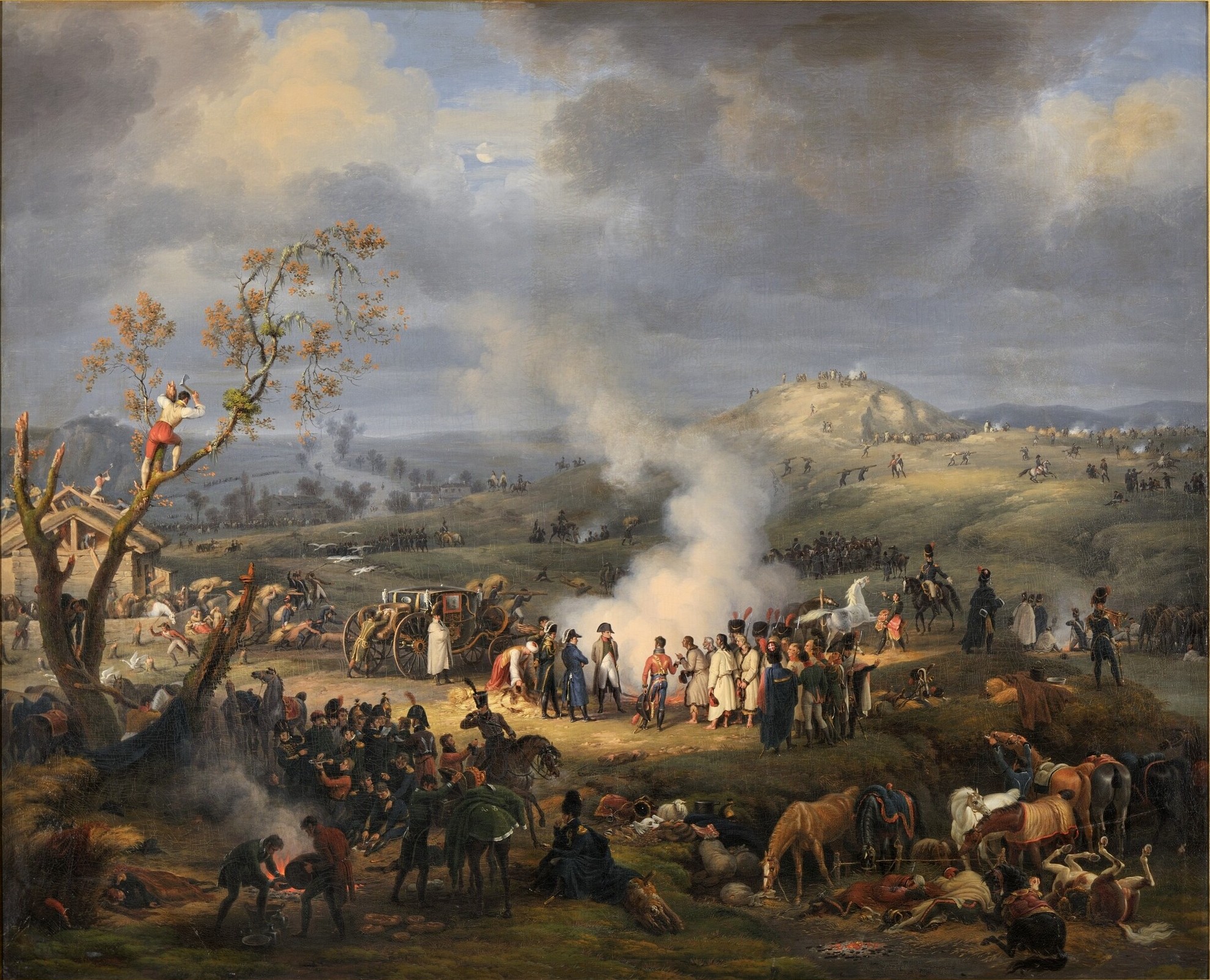
On the morning of 2 December 1805, Jircik deployed his brigade on the Pratzen heights in three lines. When the French main effort struck the Pratzen—principally through the attack led by General Vandamme’s division—Jircik moved to support the threatened sector and assisted Russian formations in resisting the breakthrough. The fighting in his sector is described as prolonged and close, with repeated bayonet engagements as the Allies attempted to stabilize the crest line after the French gained a foothold. During this phase, Jircik led an attack that temporarily recovered a key summit point on the Pratzen, but the pressure of the French assault compelled renewed withdrawal; around midday he was forced back and was mortally wounded during the retreat. His troops withdrew with him through Hostěrádky-Rešov, carrying their wounded commander from the field. He died roughly three weeks after the battle from the effects of his wound, and is identified in Austrian memorial tradition as the only Austrian general to die of wounds received at Austerlitz.
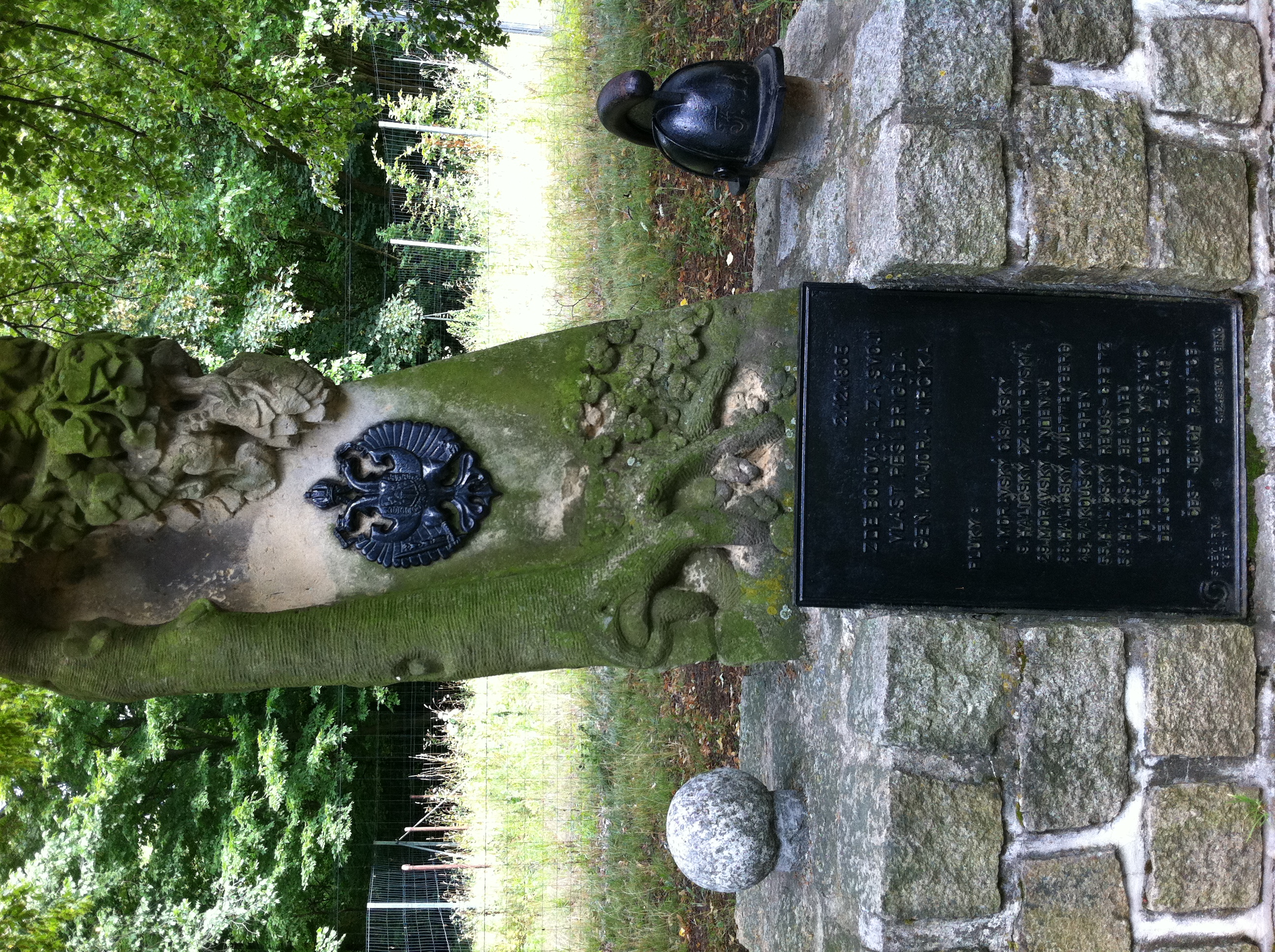
Posthumous commemoration associated with his brigade is concretely recorded on the battlefield. A monument for Generalmajor Jircik and the fallen soldiers of his brigade was erected on the Pracký kopec (Pratzen area) near the Mohyla míru complex, with an unveiling date recorded as 3 December 1995. His name is also included in the memorial listings of the Heeresgeschichtliches Museum in Vienna.
Sources
- Wikipedia (German): Franz Jircik
- Austria-Forum (AustriaWiki): Franz Jircik
- Napoleon Series: Austrian Generals 1792–1815 (I/J section, for Jurczek/Jurczik listing context)
- Wikipedia (English): Battle of Austerlitz order of battle (Fourth column; “Franz von Jurczek (or Jirčik)”)
- Wikipedia (German): Slawonisches Grenz-Infanterieregiment Nr. 8 (Gradiskaner)
- Wikimedia Commons: File:Denkmal Jircik.JPG
- Wikimedia Commons: File:Frieden Austerlitz Monument.jpg
- Wikimedia Commons: File:Austerlitz-lejeune.jpg



XX 05 Austerlitz