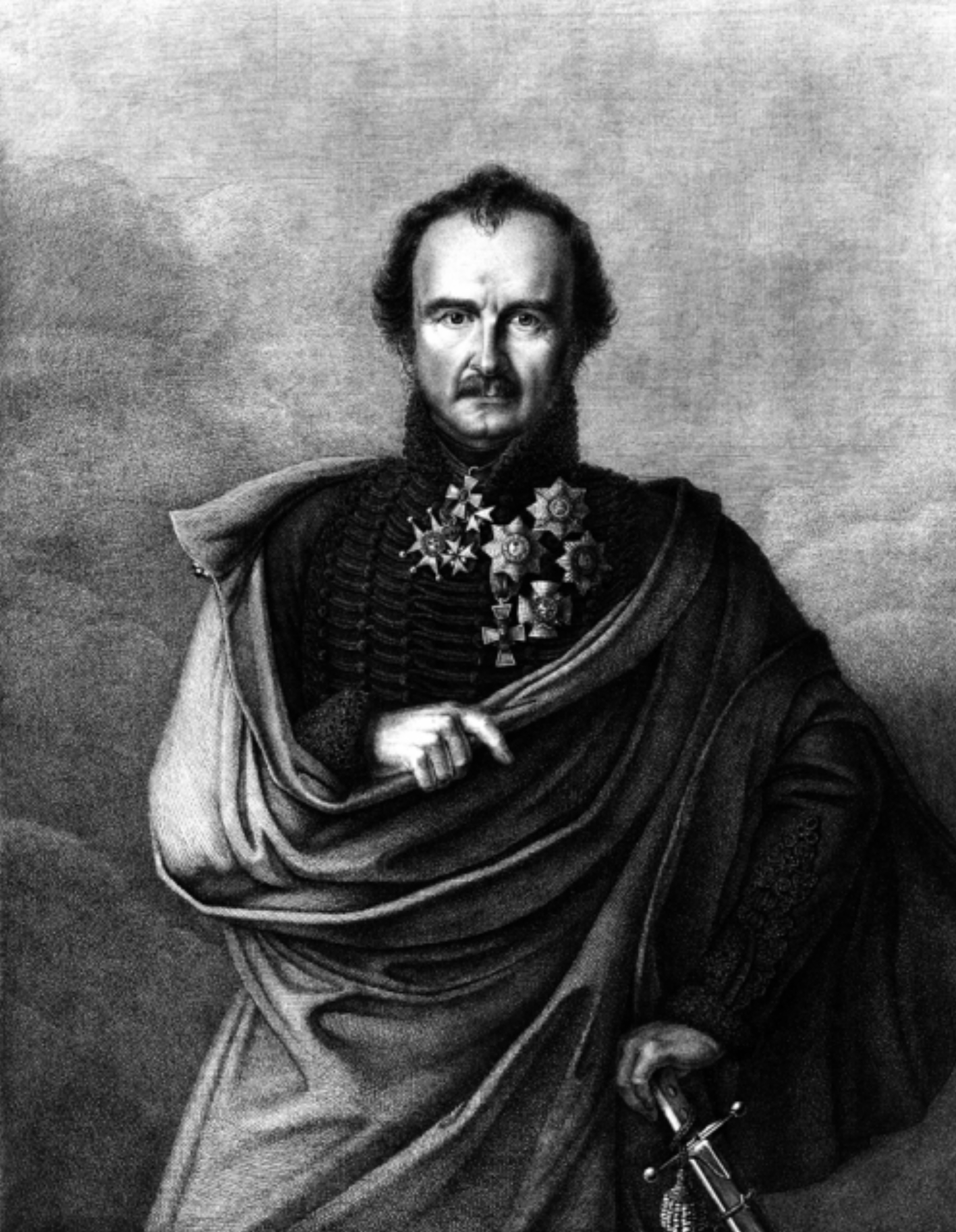
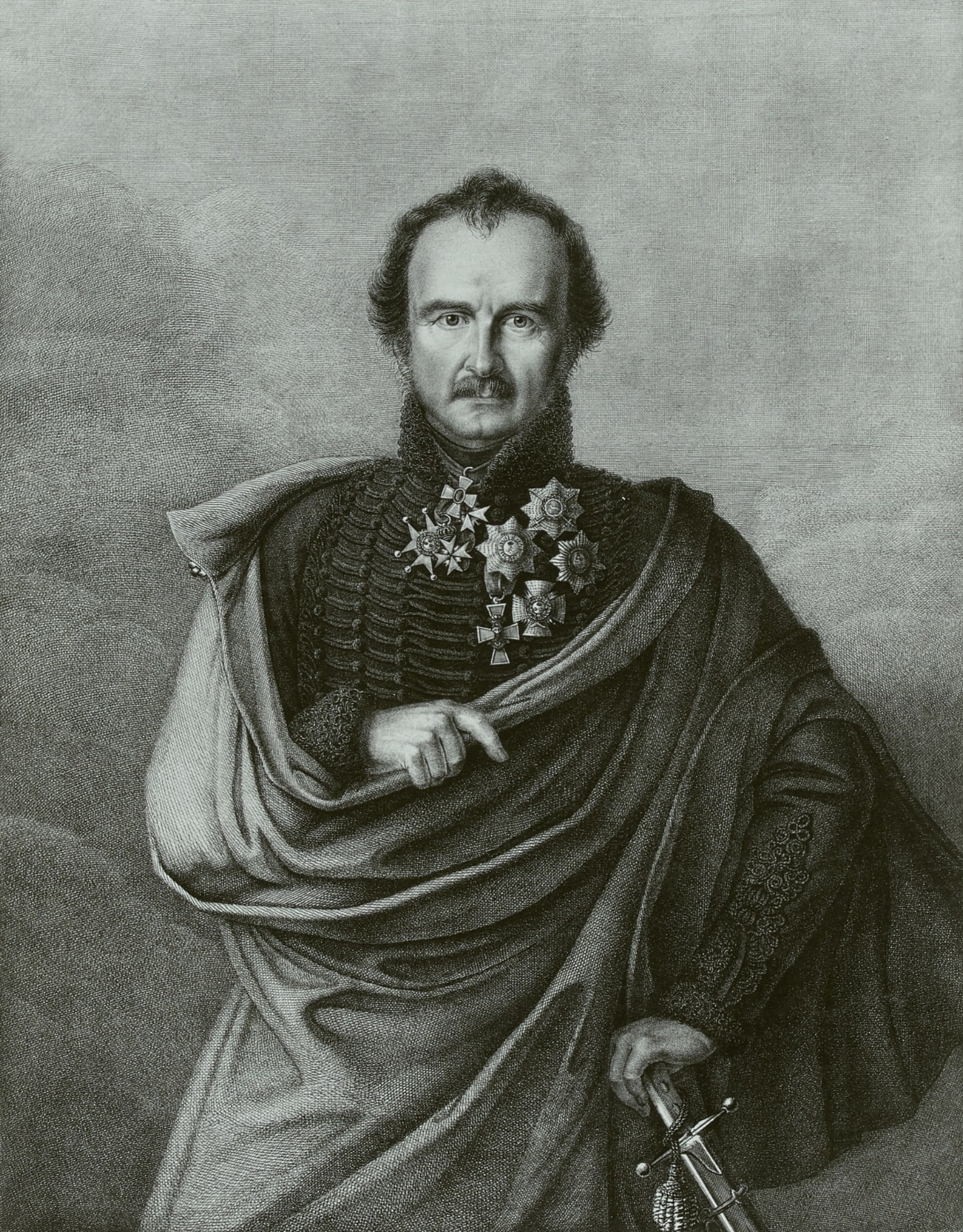
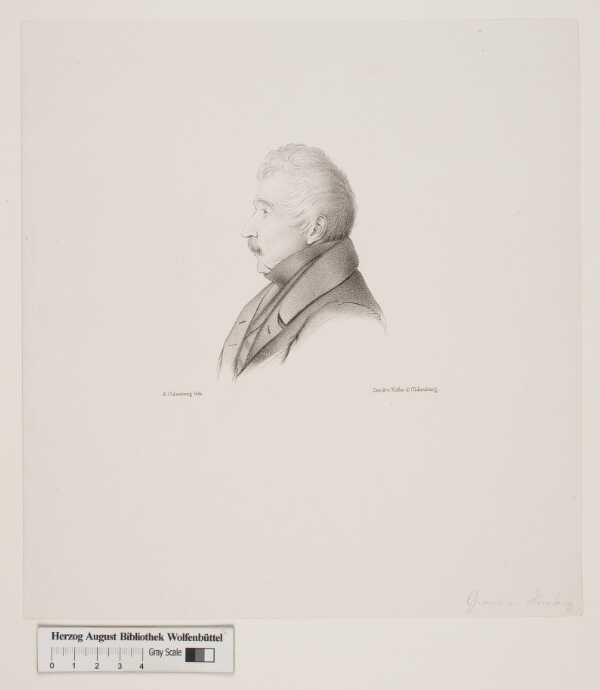
Wilhelm von Dörnberg
Command Ratings
Wilhelm Caspar Ferdinand Freiherr von Dörnberg (14 April 1768, Schloss Hausen near Hersfeld – 19 March 1850, Münster) was a Hessian-born officer whose service moved through several German and allied armies before he entered Hanoverian diplomatic employment later in life. He belonged to the old Hessian nobility and began military service as a youth in the Landgraviate of Hesse-Kassel.
He entered the First Guard Battalion of Hesse-Kassel in January 1783 and became First Lieutenant on 22 January 1785. When war broke out on the Rhine frontier, he obtained his first field experience in 1792 during operations against France in Champagne, and on 6 December 1792 he received his patent as Staff Captain. During the following years he remained employed in the Hessian forces until he transferred in 1796 into Prussian service, where he continued as an infantry officer.
In Prussian service Dörnberg served under General Gebhard Leberecht von Blücher in the 1806 campaign. He was present in the double battle of Jena and Auerstedt on 14 October 1806. In the retreat and subsequent fighting that followed the Prussian collapse, he remained with Blücher’s force and was taken prisoner after the fighting around Lübeck on 6–7 November 1806. After captivity he went to England, where he considered schemes for organizing resistance to French dominance in northern Germany; however, he then returned to Germany and took service in the Kingdom of Westphalia.
Dörnberg entered Westphalian military service and rose quickly within the Guard. In May 1808 Jérôme Bonaparte entrusted him with command as Oberst of the Guard Jäger, and he commanded a Jäger battalion at Marburg. While holding this post he established clandestine contacts with Prussian reform and resistance circles and prepared an anti-Westphalian revolt aimed at seizing Jérôme and overturning the Kassel government. Political developments and the outbreak of fighting between France and Austria in the spring of 1809 forced a premature start. The rising began on 22 April 1809. Dörnberg’s attempt to assemble forces and advance on Kassel quickly failed. Rebel groups were dispersed south of Kassel near Knallhütte (Kirchbauna) and other detachments were checked and broken in the Kassel area; by the evening of 23 April 1809 the movement had collapsed. Dörnberg escaped in civilian disguise and fled through Bohemia.
In Bohemia he joined the corps of Duke Friedrich Wilhelm of Brunswick-Oels, and he served with the duke’s Black Corps, which became known for its black uniforms and anti-French purpose. Dörnberg reached England with the Brunswick force and entered British pay. He held colonelcy and command employment with the Brunswick Oels Hussars, and his British service brought him into the coalition’s German contingents organized for operations on the Continent.
By 1812 he had been promoted to Generalmajor in the King’s German Legion. He also carried out missions in northern Germany and Russia and served during the winter of 1812/13 with the Russian army in the period when coalition forces reorganized after the French retreat from Russia. During the 1813 operations in northern Germany he distinguished himself in the action at Lüneburg, where French troops under General Joseph Morand were attacked and defeated; for this he received the Prussian Pour le Mérite. In the subsequent campaigning that culminated in the advance into eastern France, he took part in the siege of Diedenhofen (Thionville) in 1814.
After the conclusion of the main 1814 operations and the First Peace of Paris, Dörnberg commanded a cavalry brigade in garrison and occupation duties at Mons. When Napoleon returned from Elba, he was assigned additional responsibilities connected with intelligence and the organization of information gathering for the coming campaign.
In the Waterloo campaign Dörnberg served as a senior cavalry commander in the Anglo-allied army, holding a major-general’s appointment. On 15 June 1815 he was involved in the transmission of urgent intelligence at Brussels during the evening of the Duchess of Richmond’s ball. He fought with his brigade on 16 June 1815 at Quatre Bras and again on 18 June 1815 at Waterloo, where he was severely wounded. He received the Waterloo Medal.
After the fighting he entered the service of the Kingdom of Hanover, rose to Generalleutnant, and combined military rank with diplomatic employment. From 1818 onward he served as an extraordinary envoy at the Russian court in Saint Petersburg for long periods, remaining in that post until his death. His later life was spent largely in diplomatic service, and he died at Münster on 19 March 1850.
Sources
- Deutsche Biographie: Dörnberg, Wilhelm Caspar Ferdinand Freiherr von (GND 116168986) (NDB/ADB portal page)
- Wikipedia (English): Wilhelm von Dörnberg
- Wikipedia (German): Wilhelm von Dörnberg
- The Napoleon Series: Regimental Services of British Army Generals 1793-1815 (entry for Brunswick Oels Hussars: Wilhelm de Dornberg)
- Herzog August Bibliothek Porträtsammlung: Dörnberg, Wilhelm (Caspar Ferdinand) Frhr. von (A 5015)
XX 09 – revolt vs. Westphalia; XX 13 (with Walmolden). "Unstable fanatic."
Pictures